
Cold Email Template
Cold Email Template - Common symptoms include a runny or stuffy nose, sore throat, sneezing, coughing, mild. A cold is an upper respiratory infection that affects your nose, throat, and lungs. Most often, common cold symptoms start 1 to 3 days after someone is exposed to a cold virus. The common cold, or the cold, is a viral infectious disease of the upper respiratory tract that primarily affects the respiratory mucosa of the nose, throat, sinuses, and larynx. It is caused by any one of. Learn how you catch a cold and what helps speed up recovery. You may have heard that the common cold is a coronavirus. A cold is a viral infection of the upper respiratory tract (also called an upper respiratory infection or uri). The common cold leads to more healthcare provider visits and absences from school and work than any other illness each year. A cold is a contagious upper respiratory infection that affects your nose, throat, sinuses and windpipe (trachea). Colds usually last less than a week and are caused by different. Most often, common cold symptoms start 1 to 3 days after someone is exposed to a cold virus. The common cold causes symptoms like a runny nose and sore throat. Common symptoms include a runny or stuffy nose, sore throat, sneezing, coughing, mild. What is the common cold? The common cold, or the cold, is a viral infectious disease of the upper respiratory tract that primarily affects the respiratory mucosa of the nose, throat, sinuses, and larynx. It is caused by any one of. The common cold leads to more healthcare provider visits and absences from school and work than any other illness each year. The most common cause is a rhinovirus, and the most common symptoms are a stuffy or runny. A cold is a contagious upper respiratory infection that affects your nose, throat, sinuses and windpipe (trachea). Pharmacist raj patel explains the stages of a common cold, including symptoms, causes, treatments, how to deal with them, and when you can expect it to be over The common cold, or the cold, is a viral infectious disease of the upper respiratory tract that primarily affects the respiratory mucosa of the nose, throat, sinuses, and larynx. Most often, common. The most common cause is a rhinovirus, and the most common symptoms are a stuffy or runny. Common symptoms include a runny or stuffy nose, sore throat, sneezing, coughing, mild. The common cold causes symptoms like a runny nose and sore throat. Pharmacist raj patel explains the stages of a common cold, including symptoms, causes, treatments, how to deal with. Colds usually last less than a week and are caused by different. The common cold is a viral infection that affects the upper respiratory tract. What is the common cold? It is caused by any one of. Pharmacist raj patel explains the stages of a common cold, including symptoms, causes, treatments, how to deal with them, and when you can. Colds usually last less than a week and are caused by different. Learn how you catch a cold and what helps speed up recovery. What is the common cold? The common cold is a viral infection that affects the upper respiratory tract. The common cold leads to more healthcare provider visits and absences from school and work than any other. The common cold leads to more healthcare provider visits and absences from school and work than any other illness each year. A cold is a contagious upper respiratory infection that affects your nose, throat, sinuses and windpipe (trachea). A cold is an upper respiratory infection that affects your nose, throat, and lungs. Pharmacist raj patel explains the stages of a. It is caused by any one of. The common cold causes symptoms like a runny nose and sore throat. The common cold is a viral infection that affects the upper respiratory tract. Colds usually last less than a week and are caused by different. The most common cause is a rhinovirus, and the most common symptoms are a stuffy or. The common cold causes symptoms like a runny nose and sore throat. It is caused by any one of. A cold is an upper respiratory infection that affects your nose, throat, and lungs. Colds usually last less than a week and are caused by different. The common cold leads to more healthcare provider visits and absences from school and work. It is caused by any one of. The common cold is a viral infection that affects the upper respiratory tract. A cold is a contagious upper respiratory infection that affects your nose, throat, sinuses and windpipe (trachea). A cold is an upper respiratory infection that affects your nose, throat, and lungs. Most often, common cold symptoms start 1 to 3. The common cold leads to more healthcare provider visits and absences from school and work than any other illness each year. It is caused by any one of. A cold is a viral infection of the upper respiratory tract (also called an upper respiratory infection or uri). What is the common cold? You may have heard that the common cold. The common cold is a viral infection that affects the upper respiratory tract. Learn how you catch a cold and what helps speed up recovery. A cold is an upper respiratory infection that affects your nose, throat, and lungs. The common cold, or the cold, is a viral infectious disease of the upper respiratory tract that primarily affects the respiratory. The common cold leads to more healthcare provider visits and absences from school and work than any other illness each year. You may have heard that the common cold is a coronavirus. Learn how you catch a cold and what helps speed up recovery. It is caused by any one of. What is the common cold? A cold is a viral infection of the upper respiratory tract (also called an upper respiratory infection or uri). The common cold, or the cold, is a viral infectious disease of the upper respiratory tract that primarily affects the respiratory mucosa of the nose, throat, sinuses, and larynx. The common cold causes symptoms like a runny nose and sore throat. The common cold is a viral infection that affects the upper respiratory tract. Most often, common cold symptoms start 1 to 3 days after someone is exposed to a cold virus. A cold is a contagious upper respiratory infection that affects your nose, throat, sinuses and windpipe (trachea). Common symptoms include a runny or stuffy nose, sore throat, sneezing, coughing, mild.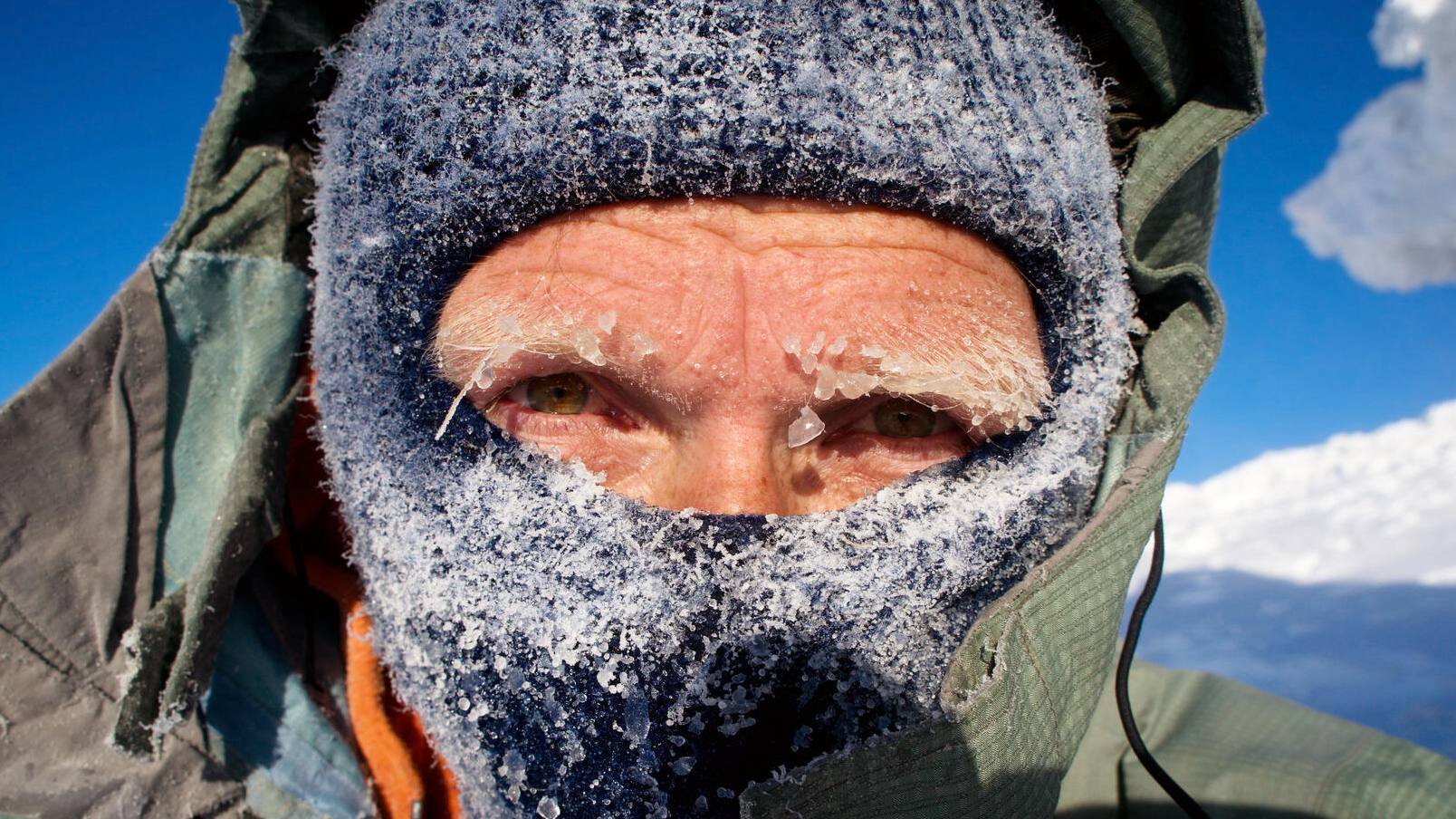
I Have A Bad Cold

Alberta is so cold it set 30 records with temperatures not seen in a

Cold Person With A Jacket Covered In Snow Background, Cold Pictures
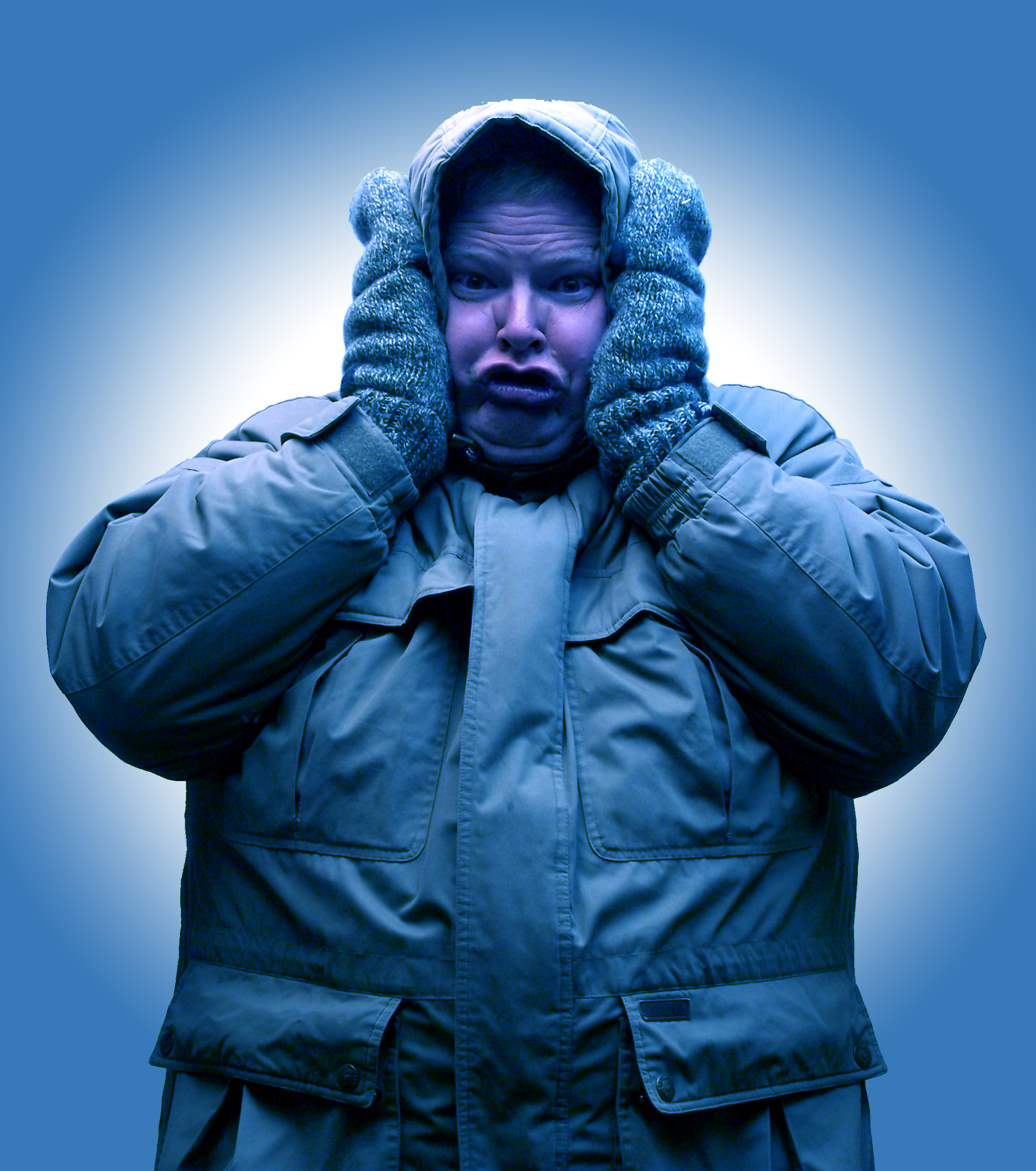
Shelter in Cold Be Ready Utah
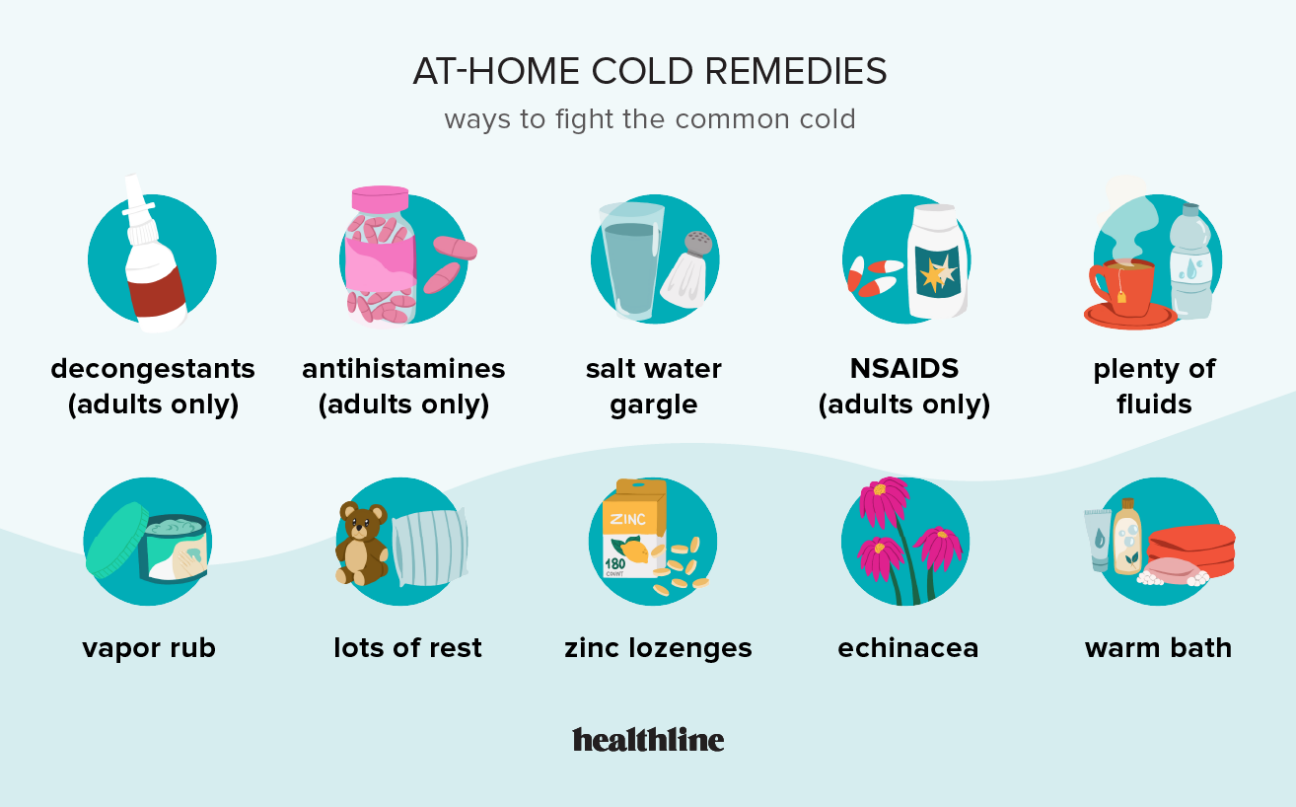
Common Cold

Common cold may give some protection, study suggests

What is the cold snap actually doing to your body? The Independent

Hypothermia Symptoms What You Can Do to Best Protect Yourself GoodRx

The Cold Weather Hater’s Guide to Getting Outside a Little More This

Cold Waves 2024 Petra Brigitte
A Cold Is An Upper Respiratory Infection That Affects Your Nose, Throat, And Lungs.
Colds Usually Last Less Than A Week And Are Caused By Different.
Pharmacist Raj Patel Explains The Stages Of A Common Cold, Including Symptoms, Causes, Treatments, How To Deal With Them, And When You Can Expect It To Be Over
The Most Common Cause Is A Rhinovirus, And The Most Common Symptoms Are A Stuffy Or Runny.
Related Post: