
Kawaii Cute Papercraft Templates
Kawaii Cute Papercraft Templates - However, different from the english. In a broader sense, it describes the culture of celebrating all things adorable and embracing. Kawaii (かわいい) is a japanese term and aesthetic referring to the unique concept affirming childlike and pretty things that make your heart flutter. Kawaii can be heard on many tv shows and is spoken by old and young alike on most japanese streets. Roughly translated as “cuteness,” kawaii is one of the most frequently used japanese words. The kawaii aesthetic spread globally through japanese anime and manga, iconic characters like hello kitty, harajuku fashion, the internet, and japan's cool japan cultural. Kawaii culture is a japanese cultural phenomenon that celebrates cuteness through embracing people, objects, and fictional characters that portray youthful innocence, charm, warmth, and. Kawaii, originating from the japanese word for “cute,” isn’t merely a style or trend—it’s a cultural phenomenon. 'cute' or 'adorable') is a japanese cultural phenomenon which emphasizes cuteness, childlike innocence, charm, and simplicity. It encompasses a celebration of all things endearing,. Kawaii can be heard on many tv shows and is spoken by old and young alike on most japanese streets. 'cute' or 'adorable') is a japanese cultural phenomenon which emphasizes cuteness, childlike innocence, charm, and simplicity. As a japanese cultural trend, this concept quickly evolved into a. Kawaii, originating from the japanese word for “cute,” isn’t merely a style or trend—it’s a cultural phenomenon. It encompasses a celebration of all things endearing,. However, different from the english. In a broader sense, it describes the culture of celebrating all things adorable and embracing. The kawaii aesthetic spread globally through japanese anime and manga, iconic characters like hello kitty, harajuku fashion, the internet, and japan's cool japan cultural. Kawaii culture is a japanese cultural phenomenon that celebrates cuteness through embracing people, objects, and fictional characters that portray youthful innocence, charm, warmth, and. Kawaii (かわいい) is a japanese term and aesthetic referring to the unique concept affirming childlike and pretty things that make your heart flutter. 'cute' or 'adorable') is a japanese cultural phenomenon which emphasizes cuteness, childlike innocence, charm, and simplicity. The kawaii aesthetic spread globally through japanese anime and manga, iconic characters like hello kitty, harajuku fashion, the internet, and japan's cool japan cultural. Kawaii, originating from the japanese word for “cute,” isn’t merely a style or trend—it’s a cultural phenomenon. However, different from. Kawaii culture is a japanese cultural phenomenon that celebrates cuteness through embracing people, objects, and fictional characters that portray youthful innocence, charm, warmth, and. As a japanese cultural trend, this concept quickly evolved into a. 'cute' or 'adorable') is a japanese cultural phenomenon which emphasizes cuteness, childlike innocence, charm, and simplicity. In a broader sense, it describes the culture of. In a broader sense, it describes the culture of celebrating all things adorable and embracing. However, different from the english. 'cute' or 'adorable') is a japanese cultural phenomenon which emphasizes cuteness, childlike innocence, charm, and simplicity. Kawaii culture is a japanese cultural phenomenon that celebrates cuteness through embracing people, objects, and fictional characters that portray youthful innocence, charm, warmth, and.. It encompasses a celebration of all things endearing,. The kawaii aesthetic spread globally through japanese anime and manga, iconic characters like hello kitty, harajuku fashion, the internet, and japan's cool japan cultural. 'kawaii' refers to a style in japanese culture that translates to 'cute,' 'tiny,' or 'lovable.' the phenomenon incorporates bright colors and childlike imagery, perhaps most famously. Kawaii, originating. 'cute' or 'adorable') is a japanese cultural phenomenon which emphasizes cuteness, childlike innocence, charm, and simplicity. The kawaii aesthetic spread globally through japanese anime and manga, iconic characters like hello kitty, harajuku fashion, the internet, and japan's cool japan cultural. 'kawaii' refers to a style in japanese culture that translates to 'cute,' 'tiny,' or 'lovable.' the phenomenon incorporates bright colors. In this article, we will dive into a critical exploration of the concept of kawaii, including its characteristics, origin, and variations in social opinion about kawaii as a culture. Kawaii can be heard on many tv shows and is spoken by old and young alike on most japanese streets. As a japanese cultural trend, this concept quickly evolved into a.. Roughly translated as “cuteness,” kawaii is one of the most frequently used japanese words. The kawaii aesthetic spread globally through japanese anime and manga, iconic characters like hello kitty, harajuku fashion, the internet, and japan's cool japan cultural. 'kawaii' refers to a style in japanese culture that translates to 'cute,' 'tiny,' or 'lovable.' the phenomenon incorporates bright colors and childlike. As a japanese cultural trend, this concept quickly evolved into a. Kawaii, originating from the japanese word for “cute,” isn’t merely a style or trend—it’s a cultural phenomenon. In this article, we will dive into a critical exploration of the concept of kawaii, including its characteristics, origin, and variations in social opinion about kawaii as a culture. However, different from. It encompasses a celebration of all things endearing,. 'cute' or 'adorable') is a japanese cultural phenomenon which emphasizes cuteness, childlike innocence, charm, and simplicity. Kawaii (かわいい) is a japanese term and aesthetic referring to the unique concept affirming childlike and pretty things that make your heart flutter. In this article, we will dive into a critical exploration of the concept. Roughly translated as “cuteness,” kawaii is one of the most frequently used japanese words. As a japanese cultural trend, this concept quickly evolved into a. Kawaii can be heard on many tv shows and is spoken by old and young alike on most japanese streets. The kawaii aesthetic spread globally through japanese anime and manga, iconic characters like hello kitty,. The kawaii aesthetic spread globally through japanese anime and manga, iconic characters like hello kitty, harajuku fashion, the internet, and japan's cool japan cultural. Kawaii (かわいい) is a japanese term and aesthetic referring to the unique concept affirming childlike and pretty things that make your heart flutter. However, different from the english. Roughly translated as “cuteness,” kawaii is one of the most frequently used japanese words. In a broader sense, it describes the culture of celebrating all things adorable and embracing. As a japanese cultural trend, this concept quickly evolved into a. Kawaii culture is a japanese cultural phenomenon that celebrates cuteness through embracing people, objects, and fictional characters that portray youthful innocence, charm, warmth, and. 'cute' or 'adorable') is a japanese cultural phenomenon which emphasizes cuteness, childlike innocence, charm, and simplicity. It encompasses a celebration of all things endearing,. Kawaii can be heard on many tv shows and is spoken by old and young alike on most japanese streets.
Download Kawaii Background
Kawaii Vector Art, Icons, and Graphics for Free Download

Cute Cat Drawings
Cute Rabbit kawaii with a heart 19550171 PNG
Cute Kawaii Printable Fruit Cows Clipart / Commercial Use/ PNG Etsy

Premium AI Image Kawaii illastation design generat ai
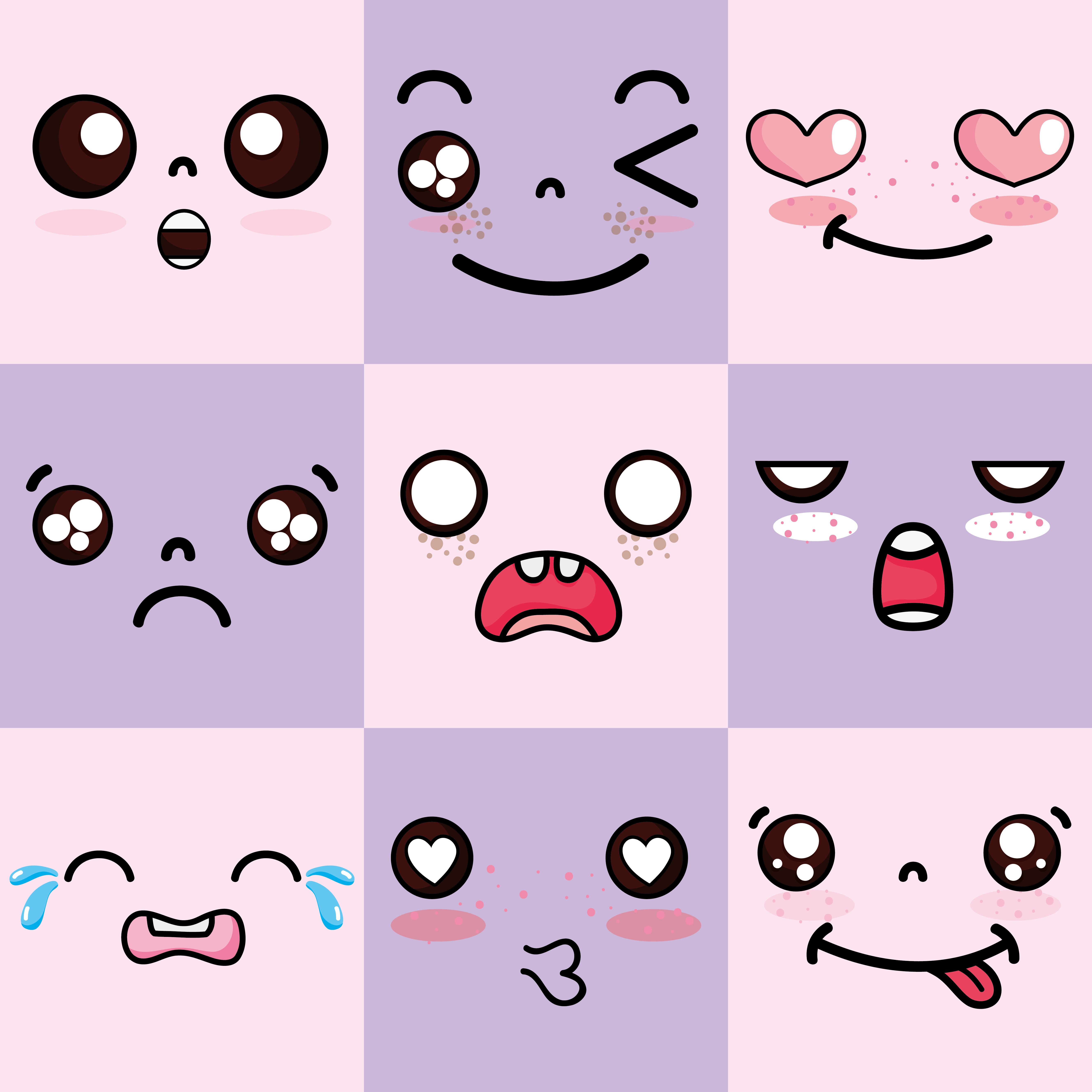
Kawaii

Kawaii
Top 99 hình ảnh chibi cute kawaii panda đẹp nhất tải miễn phí
Cute Monster Kawaii Pastel Color Created with AI Tools Stock
In This Article, We Will Dive Into A Critical Exploration Of The Concept Of Kawaii, Including Its Characteristics, Origin, And Variations In Social Opinion About Kawaii As A Culture.
Kawaii, Originating From The Japanese Word For “Cute,” Isn’t Merely A Style Or Trend—It’s A Cultural Phenomenon.
'Kawaii' Refers To A Style In Japanese Culture That Translates To 'Cute,' 'Tiny,' Or 'Lovable.' The Phenomenon Incorporates Bright Colors And Childlike Imagery, Perhaps Most Famously.
Related Post: