
Longarm Rulers And Templates
Longarm Rulers And Templates - Built from 1406 to 1420, it took 14 years to construct the forbidden city. 故宫 gugong 'former palace') was the palatial heart of china. The forbidden city (chinese name: The forbidden city of china, a sprawling imperial palace that once housed the china’s powerful emperors, is a marvel of ancient architecture and chinese history. The history of the forbidden city dates back to 1406 when emperor yongle of the ming dynasty decided to build an imperial palace in beijing, modeled after the one in nanjing. Forbidden city, imperial palace complex at the heart of beijing (peking), china, so named because access to the area was barred to most of the subjects of the realm. Learn about the forbidden city’s history, its construction in 1406, and why it remains a symbol of china’s imperial past. The forbidden city, located in the heart of beijing, china, is one of the most significant cultural and historical sites in the world. Built between 1406 and 1420 during the. The forbidden city was originally constructed under the remit of the third emperor of the ming dynasty, the yongle emperor, between 1406 and 1420, although it was the ming. Forbidden city, imperial palace complex at the heart of beijing (peking), china, so named because access to the area was barred to most of the subjects of the realm. Rising like an immortal jewel from the heart of beijing, the forbidden city ranks among the world’s most impressive unesco world heritage sites. It served as the home of 24 emperors during the ming and qing dynasties. The history of the forbidden city dates back to 1406 when emperor yongle of the ming dynasty decided to build an imperial palace in beijing, modeled after the one in nanjing. Drawing upon a history of over. The forbidden city (chinese name: The forbidden city of china, a sprawling imperial palace that once housed the china’s powerful emperors, is a marvel of ancient architecture and chinese history. Built from 1406 to 1420, it took 14 years to construct the forbidden city. Learn about the forbidden city’s history, its construction in 1406, and why it remains a symbol of china’s imperial past. Built between 1406 and 1420 during the. 故宫 gugong 'former palace') was the palatial heart of china. Built from 1406 to 1420, it took 14 years to construct the forbidden city. Built between 1406 and 1420 during the. Rising like an immortal jewel from the heart of beijing, the forbidden city ranks among the world’s most impressive unesco world heritage sites. The history of the forbidden city. Forbidden city, imperial palace complex at the heart of beijing (peking), china, so named because access to the area was barred to most of the subjects of the realm. Rising like an immortal jewel from the heart of beijing, the forbidden city ranks among the world’s most impressive unesco world heritage sites. It served as the home of 24 emperors. The forbidden city of china, a sprawling imperial palace that once housed the china’s powerful emperors, is a marvel of ancient architecture and chinese history. Rising like an immortal jewel from the heart of beijing, the forbidden city ranks among the world’s most impressive unesco world heritage sites. The forbidden city was originally constructed under the remit of the third. The forbidden city, located in the heart of beijing, china, is one of the most significant cultural and historical sites in the world. Learn about the forbidden city’s history, its construction in 1406, and why it remains a symbol of china’s imperial past. The forbidden city of china, a sprawling imperial palace that once housed the china’s powerful emperors, is. Rising like an immortal jewel from the heart of beijing, the forbidden city ranks among the world’s most impressive unesco world heritage sites. Learn about the forbidden city’s history, its construction in 1406, and why it remains a symbol of china’s imperial past. The forbidden city was originally constructed under the remit of the third emperor of the ming dynasty,. 故宫 gugong 'former palace') was the palatial heart of china. It served as the home of 24 emperors during the ming and qing dynasties. Drawing upon a history of over. Forbidden city, imperial palace complex at the heart of beijing (peking), china, so named because access to the area was barred to most of the subjects of the realm. The. Drawing upon a history of over. Forbidden city, imperial palace complex at the heart of beijing (peking), china, so named because access to the area was barred to most of the subjects of the realm. It served as the home of 24 emperors during the ming and qing dynasties. The forbidden city, located in the heart of beijing, china, is. Forbidden city, imperial palace complex at the heart of beijing (peking), china, so named because access to the area was barred to most of the subjects of the realm. Learn about the forbidden city’s history, its construction in 1406, and why it remains a symbol of china’s imperial past. Built between 1406 and 1420 during the. The forbidden city of. The forbidden city was originally constructed under the remit of the third emperor of the ming dynasty, the yongle emperor, between 1406 and 1420, although it was the ming. The forbidden city, located in the heart of beijing, china, is one of the most significant cultural and historical sites in the world. The forbidden city of china, a sprawling imperial. The forbidden city (chinese name: The history of the forbidden city dates back to 1406 when emperor yongle of the ming dynasty decided to build an imperial palace in beijing, modeled after the one in nanjing. Built between 1406 and 1420 during the. Drawing upon a history of over. Forbidden city, imperial palace complex at the heart of beijing (peking),. The forbidden city was originally constructed under the remit of the third emperor of the ming dynasty, the yongle emperor, between 1406 and 1420, although it was the ming. Learn about the forbidden city’s history, its construction in 1406, and why it remains a symbol of china’s imperial past. 故宫 gugong 'former palace') was the palatial heart of china. Forbidden city, imperial palace complex at the heart of beijing (peking), china, so named because access to the area was barred to most of the subjects of the realm. It served as the home of 24 emperors during the ming and qing dynasties. The forbidden city, located in the heart of beijing, china, is one of the most significant cultural and historical sites in the world. The history of the forbidden city dates back to 1406 when emperor yongle of the ming dynasty decided to build an imperial palace in beijing, modeled after the one in nanjing. The forbidden city of china, a sprawling imperial palace that once housed the china’s powerful emperors, is a marvel of ancient architecture and chinese history. Built between 1406 and 1420 during the. Drawing upon a history of over.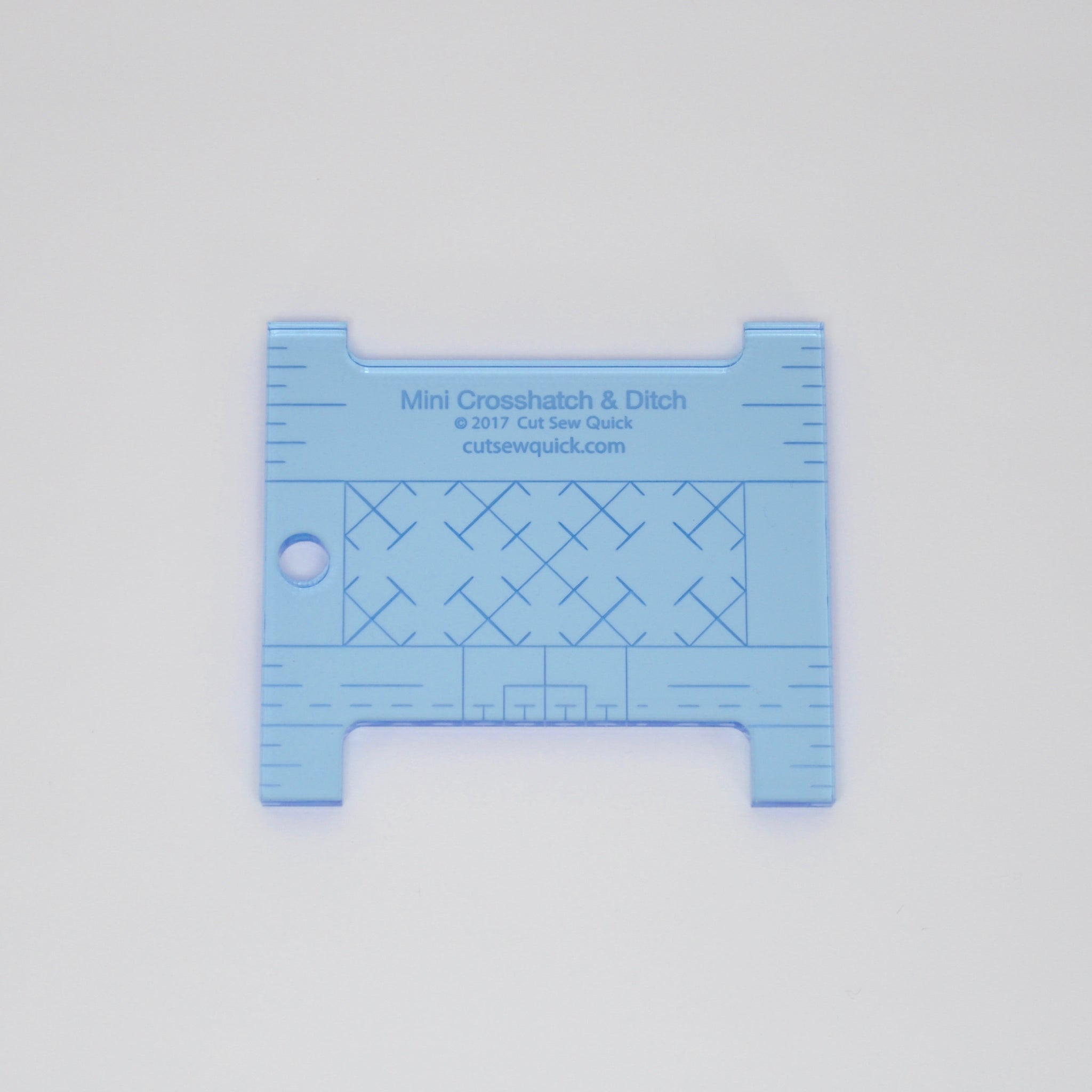
Longarm Rulers Cut Sew Quick
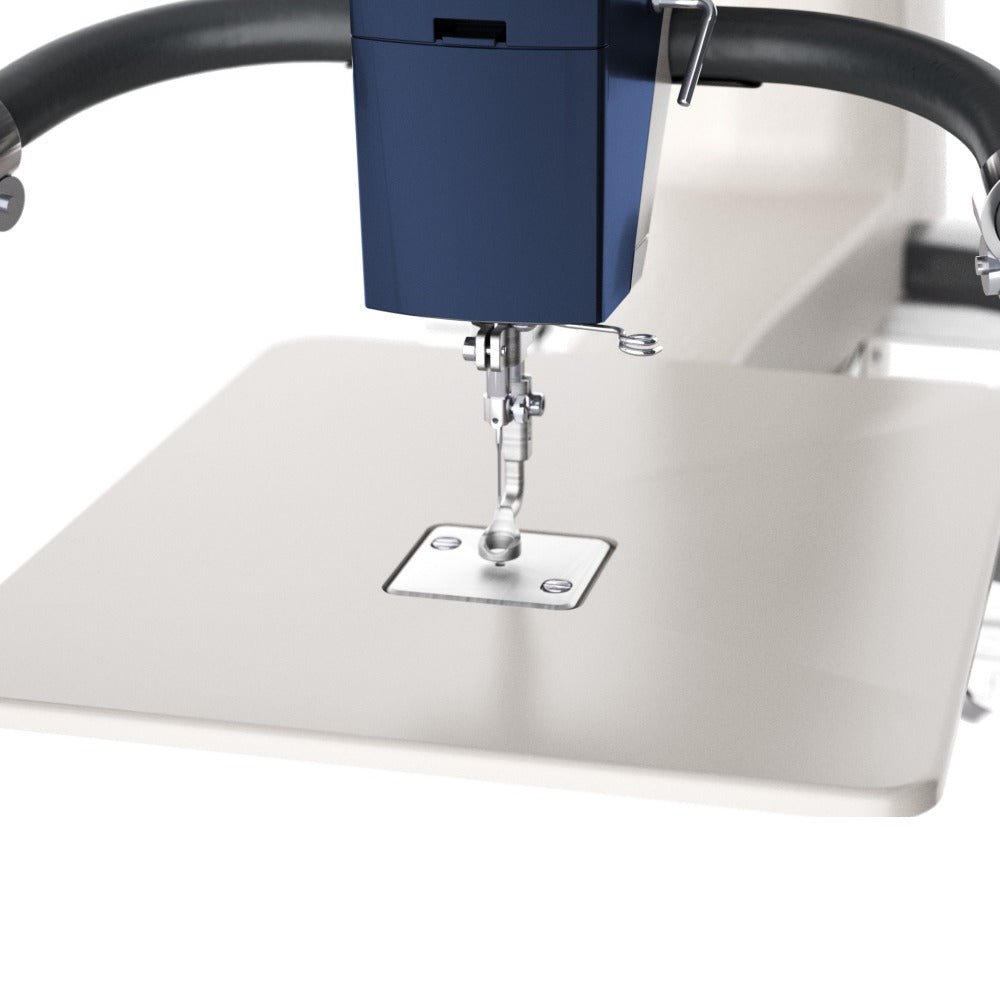
Longarm Quilting Rulers

Longarm Quilting Templates Acrylic The Templates Art

Accessories and Tools Longarm Quilting Rulers Page 1 MK Quilts

Accessories and Tools Longarm Quilting Rulers Page 1 MK Quilts

Quilters Rulers and Templates 17 Best Images About Longarm Rulers and
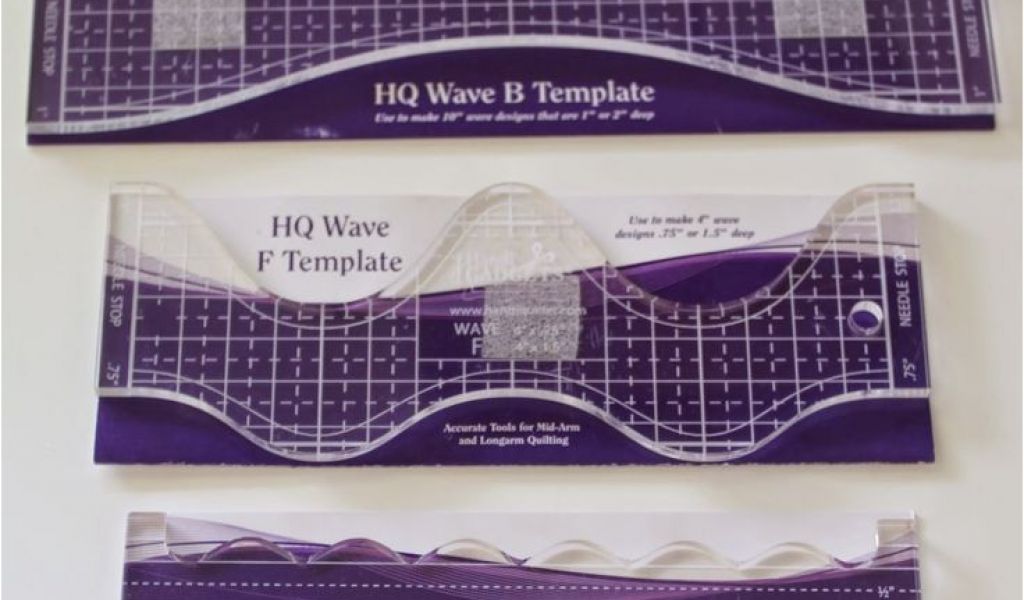
Quilters Rulers and Templates 17 Best Images About Longarm Rulers and

Longarm Rulers

Longarm Rulers

Accessories and Tools Longarm Quilting Rulers Page 1 MK Quilts
Built From 1406 To 1420, It Took 14 Years To Construct The Forbidden City.
The Forbidden City (Chinese Name:
Rising Like An Immortal Jewel From The Heart Of Beijing, The Forbidden City Ranks Among The World’s Most Impressive Unesco World Heritage Sites.
Related Post: