
Memory Book Templates
Memory Book Templates - Memory refers to the processes used to acquire, store, retain, and later retrieve information. Memory is the term given to the structures and processes involved in the storage and subsequent retrieval of information. Initial details of an experience take shape in memory; The entirety of our lives, real and imagined, is grounded in memories of learning, thinking, and doing, making our memories inextricably linked to our identities. Memory is how your brain processes and stores information so you can access it later. Memory is a continually unfolding process. Memory encompasses the facts and experiential details that people consciously call to mind as well as ingrained knowledge that surface without effort or even awareness. The basic pattern of remembering involves attention to an event followed by. It is the retention of information over time for the purpose of influencing future. Memory is essential to all our lives. Memory is essential to all our lives. It is the retention of information over time for the purpose of influencing future. The brain’s representation of that information then changes over time. Memory is a continually unfolding process. Quite simply, memory is our ability to recall information. Memory is the faculty of the mind by which data or information is encoded, stored, and retrieved when needed. Memory is the encoding, storage, and retrieval in the human mind of past experiences. Memory is often a large part of a person's identity and can be affected by dementia. The basic pattern of remembering involves attention to an event followed by. There are multiple types of memory: There are multiple types of memory: Memory is essential to all our lives. It is both a short. Initial details of an experience take shape in memory; Learn more about how memories are formed and the different types. Scientists talk about different types of memories based either on their content or on how we use the information. Memory is how your brain processes and stores information so you can access it later. Memory refers to the processes used to acquire, store, retain, and later retrieve information. Memory is a continually unfolding process. The entirety of our lives, real. Initial details of an experience take shape in memory; Memory is how your brain processes and stores information so you can access it later. Scientists talk about different types of memories based either on their content or on how we use the information. Memory encompasses the facts and experiential details that people consciously call to mind as well as ingrained. Memory is essential to all our lives. Scientists talk about different types of memories based either on their content or on how we use the information. Memory is often a large part of a person's identity and can be affected by dementia. The entirety of our lives, real and imagined, is grounded in memories of learning, thinking, and doing, making. Memory is a continually unfolding process. It is both a short. Memory encompasses the facts and experiential details that people consciously call to mind as well as ingrained knowledge that surface without effort or even awareness. Memory is often a large part of a person's identity and can be affected by dementia. The basic pattern of remembering involves attention to. The basic pattern of remembering involves attention to an event followed by. It is the retention of information over time for the purpose of influencing future. The entirety of our lives, real and imagined, is grounded in memories of learning, thinking, and doing, making our memories inextricably linked to our identities. Memory is essential to all our lives. Memory is. Learn more about how memories are formed and the different types. Memory is the term given to the structures and processes involved in the storage and subsequent retrieval of information. Most memory formation happens in your hippocampus, but the process also involves. It is the retention of information over time for the purpose of influencing future. Quite simply, memory is. Quite simply, memory is our ability to recall information. The brain’s representation of that information then changes over time. Memory encompasses the facts and experiential details that people consciously call to mind as well as ingrained knowledge that surface without effort or even awareness. Most memory formation happens in your hippocampus, but the process also involves. There are multiple types. Memory is the term given to the structures and processes involved in the storage and subsequent retrieval of information. Learn more about how memories are formed and the different types. Memory encompasses the facts and experiential details that people consciously call to mind as well as ingrained knowledge that surface without effort or even awareness. Initial details of an experience. Learn more about how memories are formed and the different types. Memory is often a large part of a person's identity and can be affected by dementia. Memory refers to the processes used to acquire, store, retain, and later retrieve information. Memory is a continually unfolding process. Most memory formation happens in your hippocampus, but the process also involves. Memory is the term given to the structures and processes involved in the storage and subsequent retrieval of information. Most memory formation happens in your hippocampus, but the process also involves. Memory is the encoding, storage, and retrieval in the human mind of past experiences. It is the retention of information over time for the purpose of influencing future. Memory is the faculty of the mind by which data or information is encoded, stored, and retrieved when needed. Memory is a continually unfolding process. Memory refers to the processes used to acquire, store, retain, and later retrieve information. Quite simply, memory is our ability to recall information. It is both a short. Memory is essential to all our lives. Memory is often a large part of a person's identity and can be affected by dementia. The entirety of our lives, real and imagined, is grounded in memories of learning, thinking, and doing, making our memories inextricably linked to our identities. There are multiple types of memory: Scientists talk about different types of memories based either on their content or on how we use the information. Memory is how your brain processes and stores information so you can access it later. Memory encompasses the facts and experiential details that people consciously call to mind as well as ingrained knowledge that surface without effort or even awareness.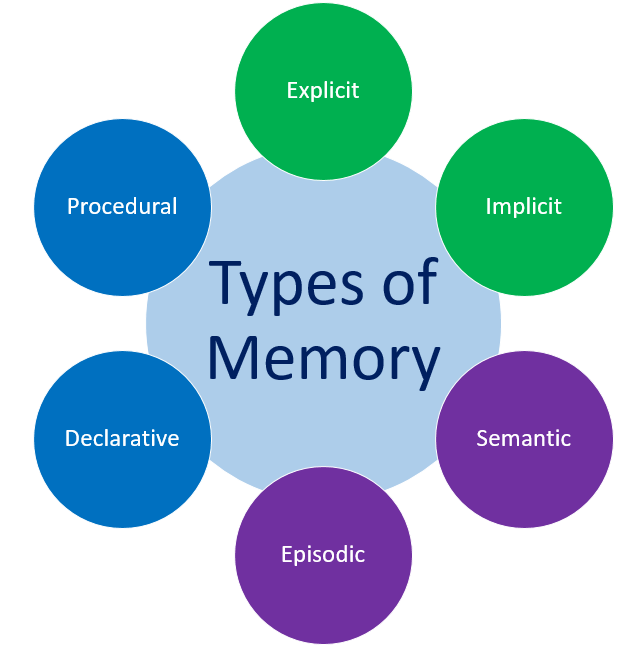
Types Of Memory
Memory Formation and Removal A Conjecture Thrive Global
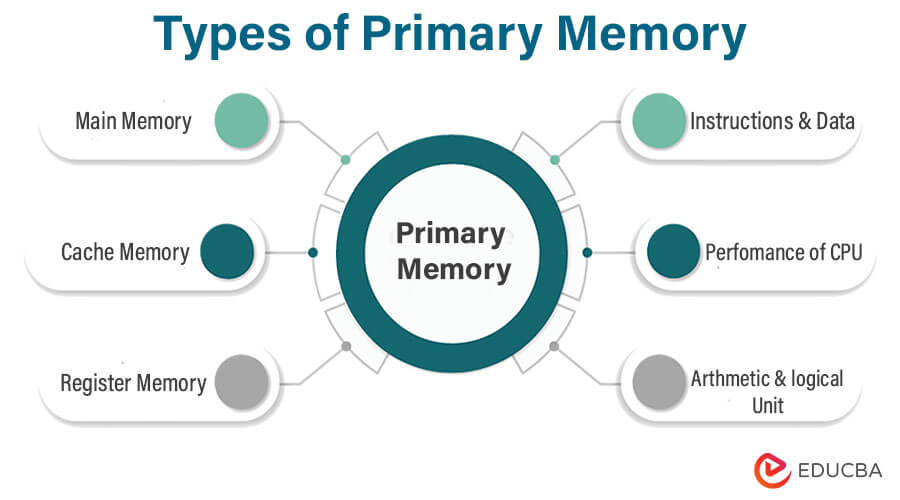
Types of Primary Memory What is Primary Memory and its Types?

The Stages Of Memory Formation And Storage
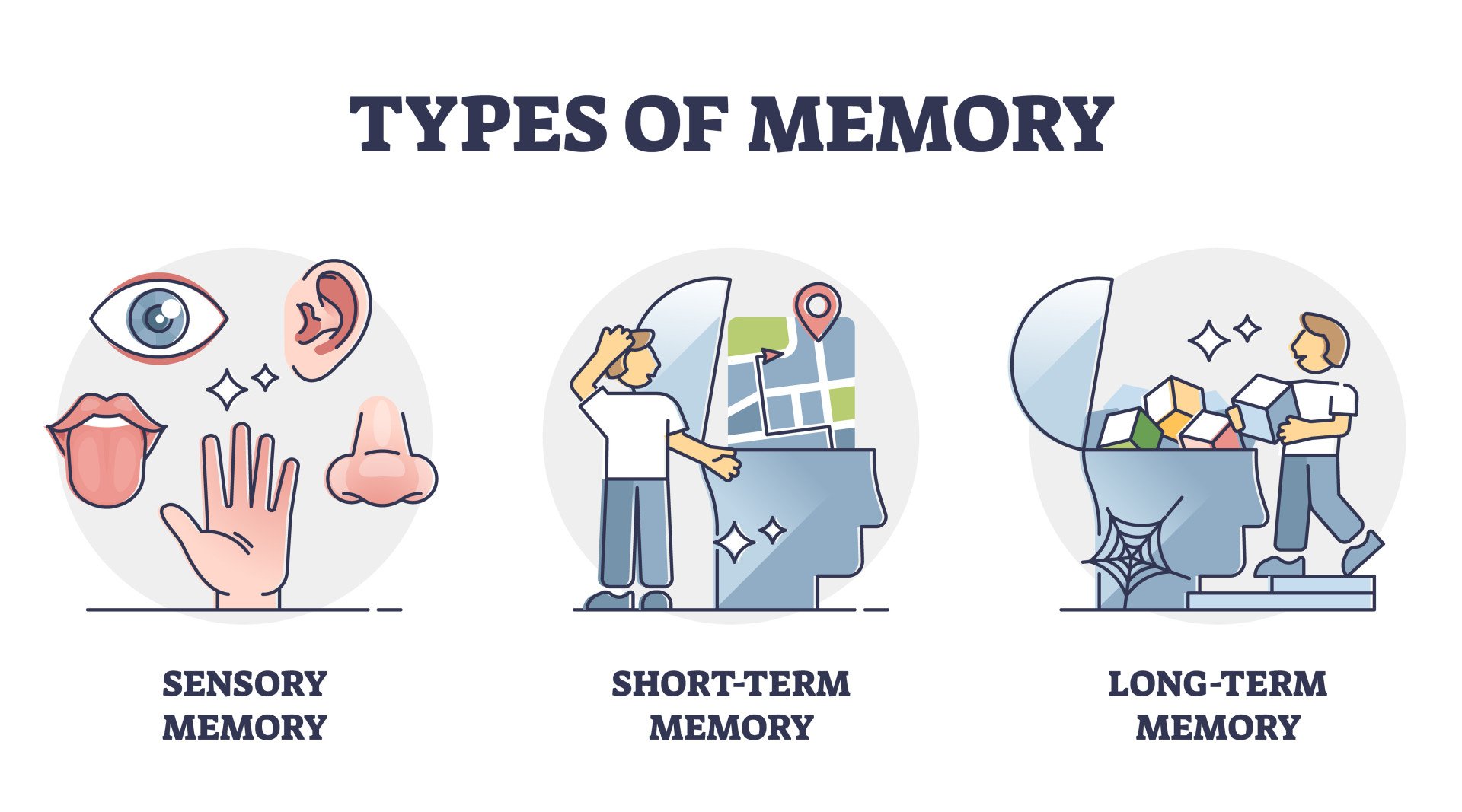
MultiStore Memory Model Atkinson and Shiffrin
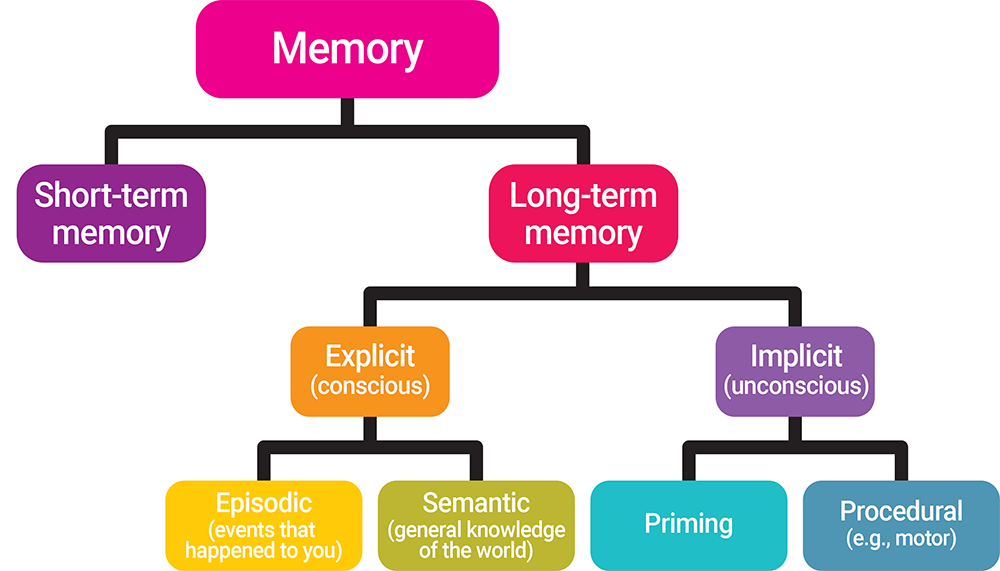
Sensory Memory Vs Short Term Memory
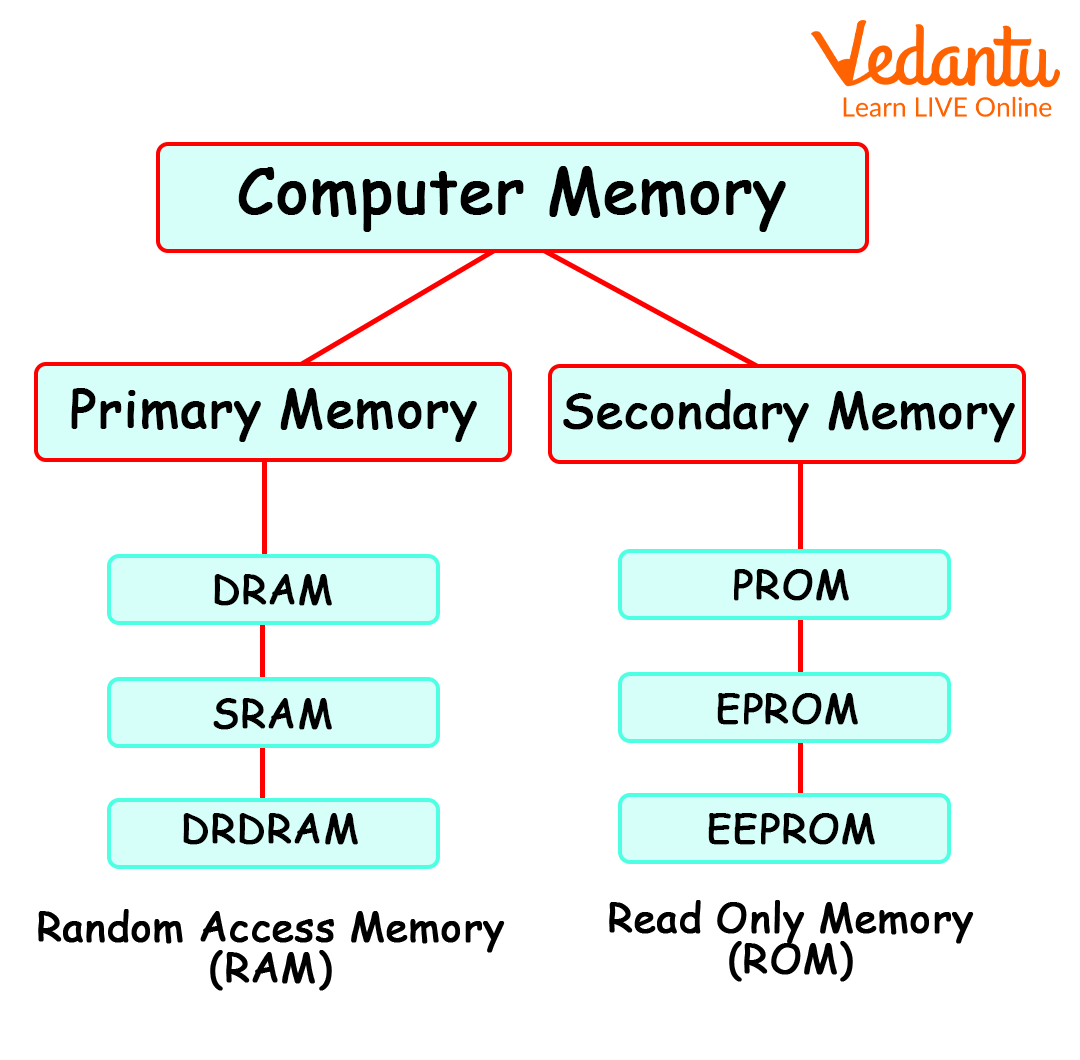
Memory Devices Learn Definition, Types, Examples and Uses
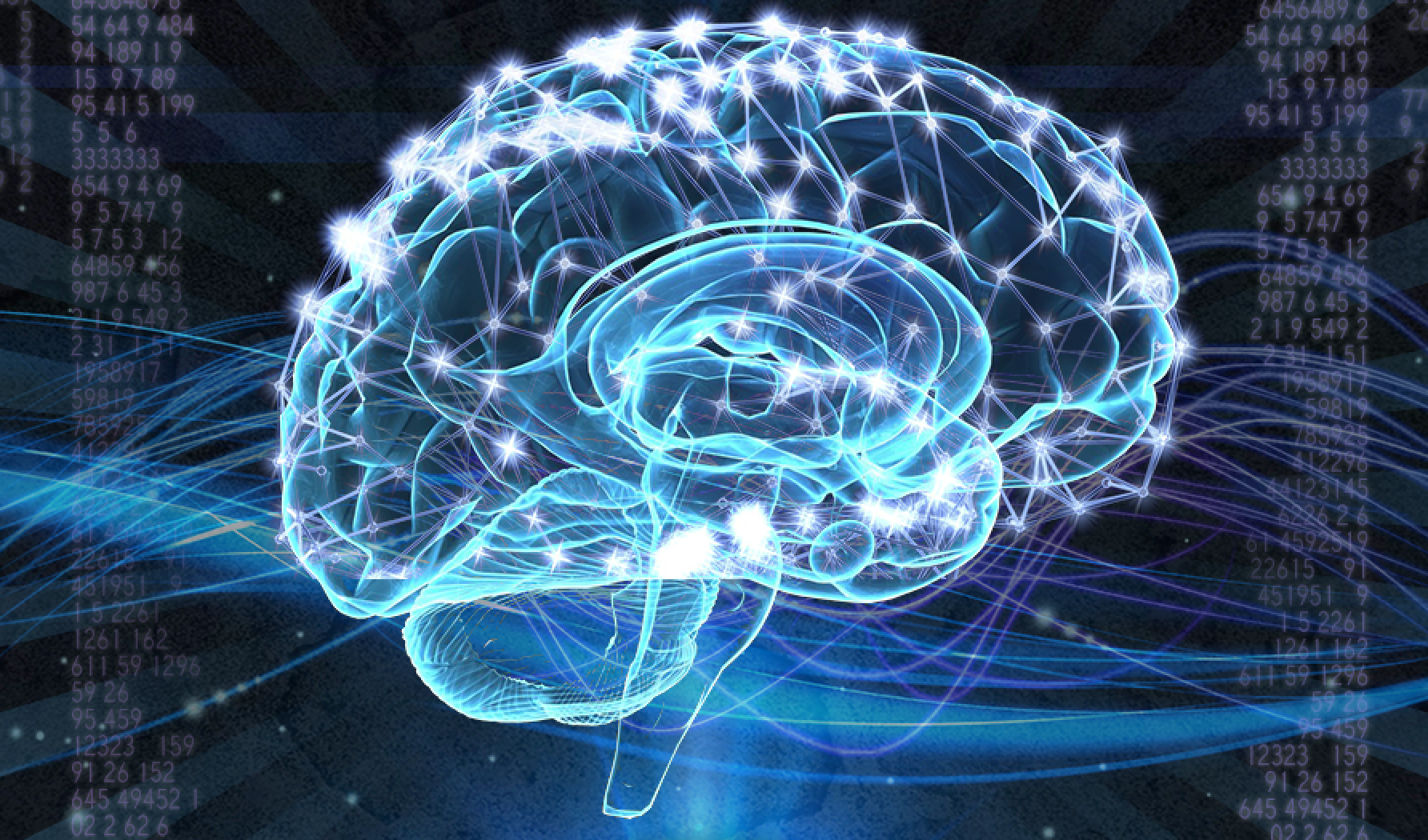
Memory.png
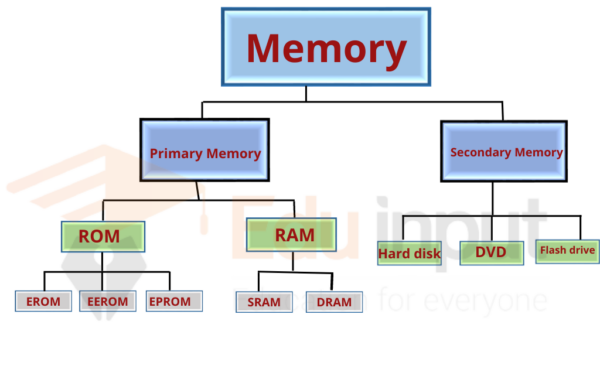
What are Computer Memory Types of Memory
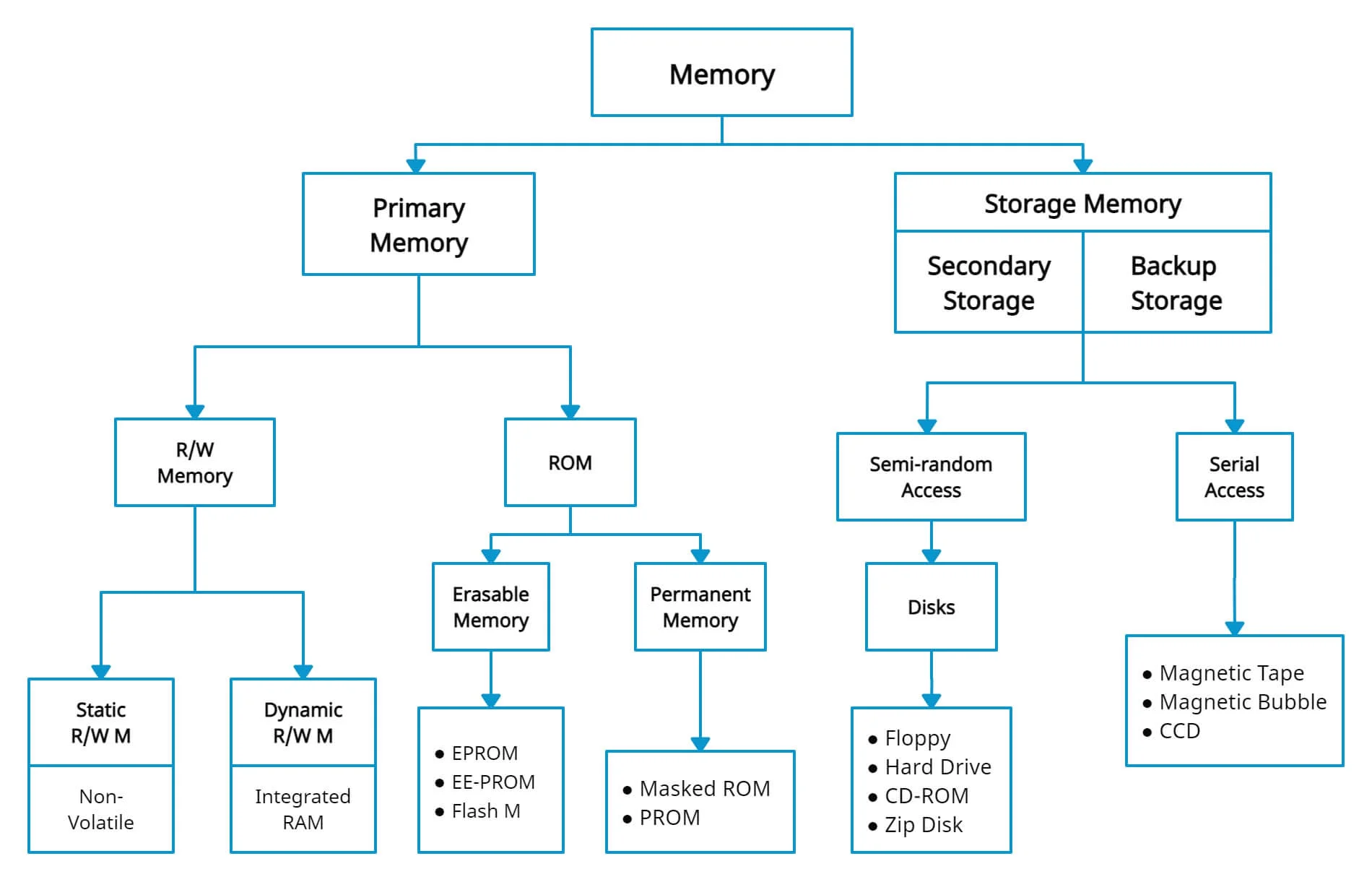
Classification of Memory Definition, Discussion, and Differences
The Brain’s Representation Of That Information Then Changes Over Time.
Initial Details Of An Experience Take Shape In Memory;
The Basic Pattern Of Remembering Involves Attention To An Event Followed By.
Learn More About How Memories Are Formed And The Different Types.
Related Post: