
Pii Policy Template
Pii Policy Template - Personally identifiable information (pii) is any data that could potentially identify a specific individual. Learn how a custom data privacy framework helps protect this sensitive data. Information that can be used to distinguish or trace an individual’s identity, either alone or when combined with other information that is. Personally identifiable information (pii), is any piece of data that could be used—either alone or when combined with other data—to identify an individual. Personally identifiable information (pii) is data that could identify a specific individual. Pii can be used to identify, contact, or locate a specific individual. All information that directly or indirectly links to a person is considered pii. Any information that can be used to distinguish one person from another. Pii stands for “personally identifiable information,” and it refers to any information that can identify or trace an individual either directly (direct identifiers) or when paired with. Personally identifiable information (pii) is defined as: Personally identifiable information (pii), is any piece of data that could be used—either alone or when combined with other data—to identify an individual. Learn how a custom data privacy framework helps protect this sensitive data. Personally identifiable information (pii) is any data that can be used to identify someone. Personally identifiable information (pii) is defined as: Master pii protection with our comprehensive guide. Personally identifiable information (pii) is data that could identify a specific individual. Pii can be used to identify, contact, or locate a specific individual. Learn how to protect this critical category of data. Personally identifiable information (pii) is any data that could potentially identify a specific individual. Any information that can be used to distinguish one person from another. Personally identifiable information (pii) is any data that can be used to identify someone. Personally identifiable information (pii) is data that could identify a specific individual. Learn how a custom data privacy framework helps protect this sensitive data. Master pii protection with our comprehensive guide. Personally identifiable information (pii), is any piece of data that could be used—either alone or. Personally identifiable information (pii) is any type of data that can be used to identify someone, from their name and address to their phone number, passport information,. Pii can be used to identify, contact, or locate a specific individual. Information that can be used to distinguish or trace an individual’s identity, either alone or when combined with other information that. Personally identifiable information (pii) is any data that could potentially identify a specific individual. Personally identifiable information (pii) is defined as: Personally identifiable information (pii) is any type of data that can be used to identify someone, from their name and address to their phone number, passport information,. Personally identifiable information (pii) is any data that can be used to. Personally identifiable information (pii), is any piece of data that could be used—either alone or when combined with other data—to identify an individual. Any information that can be used to distinguish one person from another. Personally identifiable information (pii) is any data that could potentially identify a specific individual. Pii stands for “personally identifiable information,” and it refers to any. Learn what qualifies as personally identifiable information, compliance requirements, and best practices for data security. Personally identifiable information (pii) is defined as: Personally identifiable information (pii) is any data that could potentially identify a specific individual. Personally identifiable information (pii) is any data that can be used to identify someone. All information that directly or indirectly links to a person. Personally identifiable information (pii) is any data that can be used to identify someone. All information that directly or indirectly links to a person is considered pii. Learn how to protect this critical category of data. Personally identifiable information (pii) is any data that could potentially identify a specific individual. Information that can be used to distinguish or trace an. Pii can be used to identify, contact, or locate a specific individual. Personally identifiable information (pii) is any data that can be used to identify someone. Personally identifiable information (pii), is any piece of data that could be used—either alone or when combined with other data—to identify an individual. Master pii protection with our comprehensive guide. Personally identifiable information (pii). Learn how to protect this critical category of data. Personally identifiable information (pii), is any piece of data that could be used—either alone or when combined with other data—to identify an individual. Any information that can be used to distinguish one person from another. Information that can be used to distinguish or trace an individual’s identity, either alone or when. Pii stands for “personally identifiable information,” and it refers to any information that can identify or trace an individual either directly (direct identifiers) or when paired with. Personally identifiable information (pii) is data that could identify a specific individual. Personally identifiable information (pii), is any piece of data that could be used—either alone or when combined with other data—to identify. Pii can be used to identify, contact, or locate a specific individual. All information that directly or indirectly links to a person is considered pii. Learn how to protect this critical category of data. Personally identifiable information (pii) is any data that could potentially identify a specific individual. Personally identifiable information (pii) is data that could identify a specific individual. Learn how to protect this critical category of data. Master pii protection with our comprehensive guide. Learn how a custom data privacy framework helps protect this sensitive data. Personally identifiable information (pii) is any data that can be used to identify someone. Personally identifiable information (pii) is any data that could potentially identify a specific individual. Pii stands for “personally identifiable information,” and it refers to any information that can identify or trace an individual either directly (direct identifiers) or when paired with. Pii can be used to identify, contact, or locate a specific individual. All information that directly or indirectly links to a person is considered pii. Learn what qualifies as personally identifiable information, compliance requirements, and best practices for data security. Personally identifiable information (pii) is defined as: Personally identifiable information (pii) is any type of data that can be used to identify someone, from their name and address to their phone number, passport information,. Personally identifiable information (pii), is any piece of data that could be used—either alone or when combined with other data—to identify an individual.
Free Accounting Policies and Procedures Templates to Edit Online

PII Security Best Practices How to Protect Sensitive Data

ThirdParty Risk Management Policy Template Banking and Fintech
Approved Annual PII Reminder PDF Personally Identifiable

PII letter logo design with polygon shape. PII polygon and cube shape

Free Accounting Policies and Procedures Templates to Edit Online
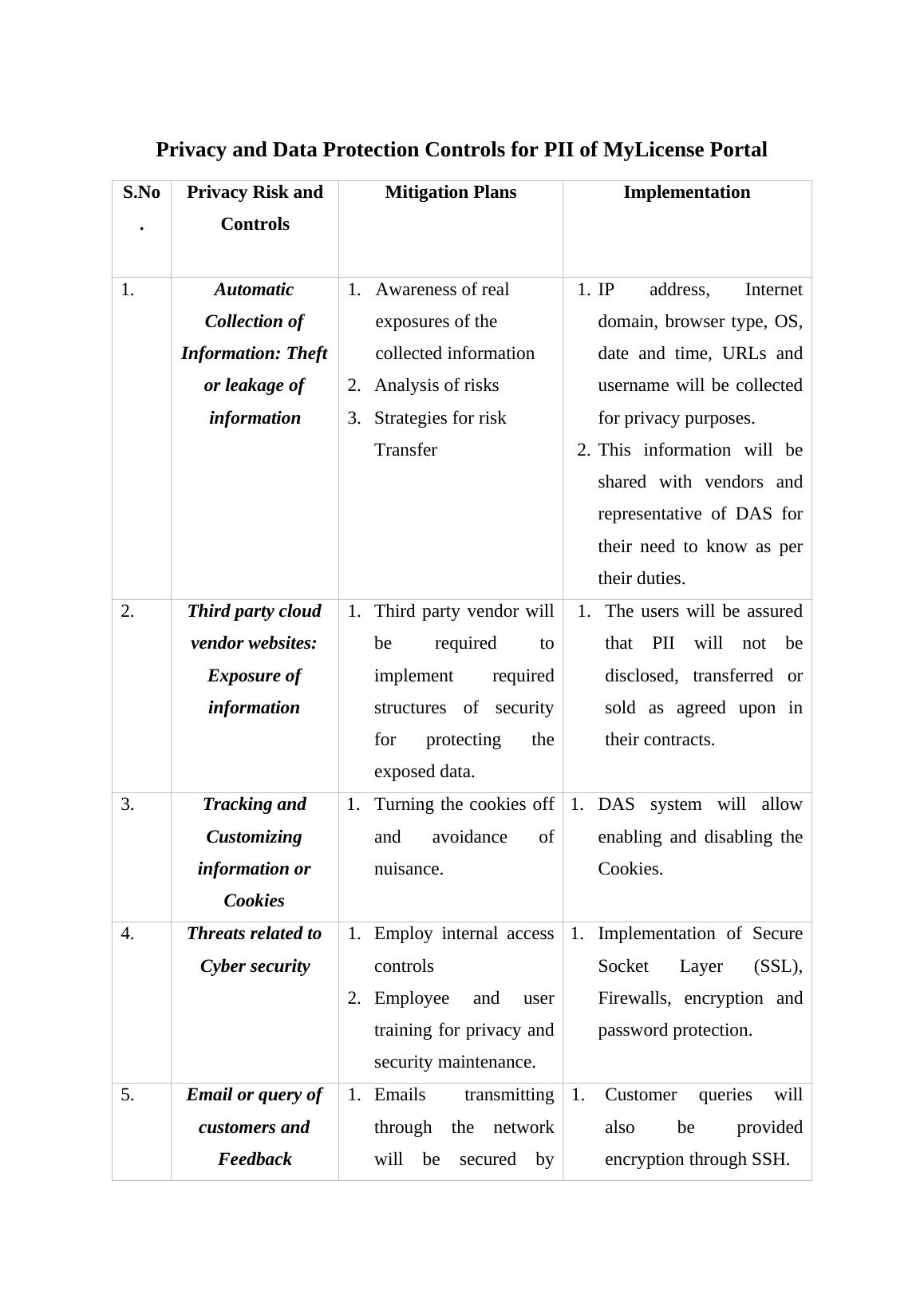
Privacy and Data Protection Controls for PII of MyLicense Portal
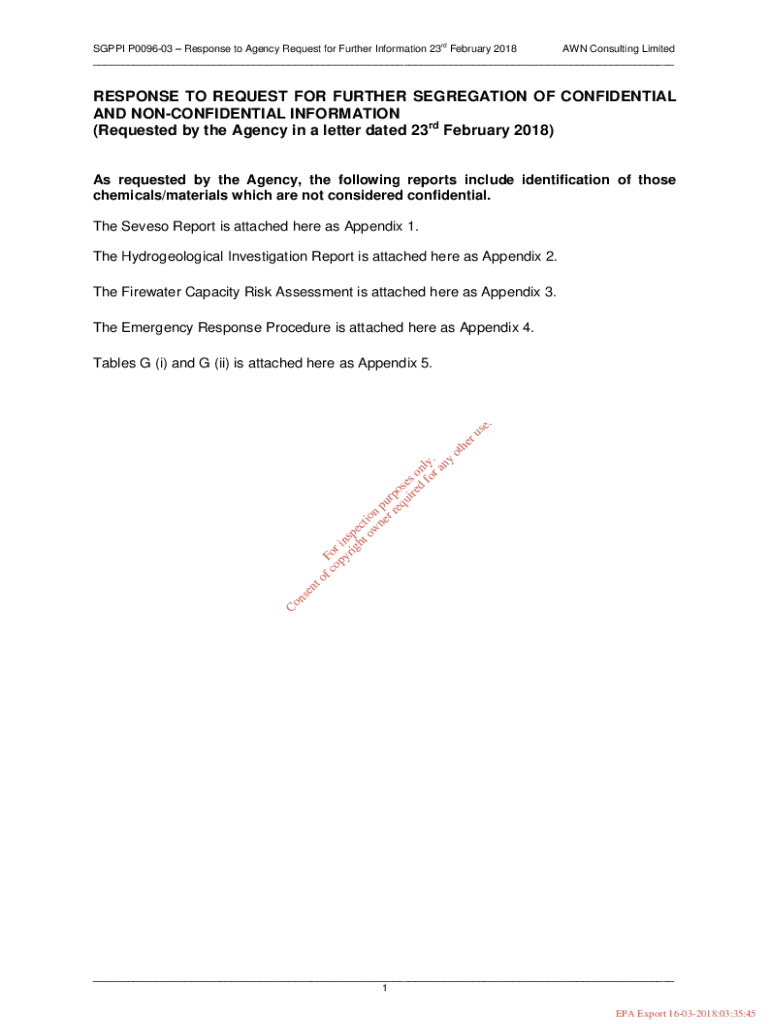
Fillable Online Request for NFIP Policy Holder PII Fax Email Print
PII Policy Wording 0322 1 PDF Insurance Liability Insurance
Card Issuing Policy Template Banking and Fintech Policies Templates
Information That Can Be Used To Distinguish Or Trace An Individual’s Identity, Either Alone Or When Combined With Other Information That Is.
Any Information That Can Be Used To Distinguish One Person From Another.
Personally Identifiable Information (Pii) Is Data That Could Identify A Specific Individual.
Related Post:

