
Profile Web Page Template
Profile Web Page Template - A login shell is an interactive. Also, you cannot put emulate bash. What's the difference and which is better to use when customizing my bash profile? Documentation on the export command is scarce, as it's a builtin cmd. To change the environmental variable permanently you'll need to consider at least. It is factually incorrect to say .bashrc runs on every interactive shell launch. To be pedantic, this is the. Bash will try to source.bash_profile first, but if that doesn't exist, it will source.profile. In that case you can start a. You can add it to the file.profile or your login shell profile file (located in your home directory). (some systems configure terminals to read a login shell; The profile file is read by login shells, so it will only take effect the next time you log in. Bash will try to source.bash_profile first, but if that doesn't exist, it will source.profile. What's the difference and which is better to use when customizing my bash profile? In /etc/profile.d i got a script called logchk.sh which is meant to send an email to the admin email address via /bin/mail. If someone logs in via ssh user@serveradress this. It is factually incorrect to say .bashrc runs on every interactive shell launch. You can add it to the file.profile or your login shell profile file (located in your home directory). The original sh sourced.profile on startup. Also, you cannot put emulate bash. To change the environmental variable permanently you'll need to consider at least. Bash will try to source.bash_profile first, but if that doesn't exist, it will source.profile. What's the difference and which is better to use when customizing my bash profile? In /etc/profile.d i got a script called logchk.sh which is meant to send an email to the admin email address. If someone logs in via ssh user@serveradress this. Bash will try to source.bash_profile first, but if that doesn't exist, it will source.profile. You can add it to the file.profile or your login shell profile file (located in your home directory). Documentation on the export command is scarce, as it's a builtin cmd. Note that if bash is started as sh. To be pedantic, this is the. Only in ~/.profile do i create the paths entries which are duplicated. A login shell is an interactive. In /etc/profile.d i got a script called logchk.sh which is meant to send an email to the admin email address via /bin/mail. Documentation on the export command is scarce, as it's a builtin cmd. The profile file is read by login shells, so it will only take effect the next time you log in. My terminal starts a login shell, so ~/.bash_profile is sourced, followed by ~/.profile and ~/.bashrc. To be pedantic, this is the. Documentation on the export command is scarce, as it's a builtin cmd. My comment is just a stronger statement. Only in ~/.profile do i create the paths entries which are duplicated. What's the difference and which is better to use when customizing my bash profile? In that case you can start a. My comment is just a stronger statement of ilmari karonen's 2014 comment. To change the environmental variable permanently you'll need to consider at least. Also, you cannot put emulate bash. Sure, you can symlink zsh to a file named after any other shell and emulate that shell, but when you do that it doesn't read your.bashrc,.bash_profile, etc. The original sh sourced.profile on startup. To change the environmental variable permanently you'll need to consider at least. Note that if bash is started as sh (e.g. A login shell is an interactive. The original sh sourced.profile on startup. To be pedantic, this is the. It is factually incorrect to say .bashrc runs on every interactive shell launch. Bash will try to source.bash_profile first, but if that doesn't exist, it will source.profile. In that case you can start a. To change the environmental variable permanently you'll need to consider at least. There is something called an environment associated. (some systems configure terminals to read a login shell; The profile file is read by login shells, so it will only take effect the next time you log in. Also, you cannot put emulate bash. Creating scripts in the profile.d folder? What about appending lines to profile.local? A login shell is an interactive. Documentation on the export command is scarce, as it's a builtin cmd. My comment is just a stronger statement of ilmari karonen's 2014 comment. To be pedantic, this is the. Also, you cannot put emulate bash. In that case you can start a. Documentation on the export command is scarce, as it's a builtin cmd. My terminal starts a login shell, so ~/.bash_profile is sourced, followed by ~/.profile and ~/.bashrc. The profile file is read by login shells, so it will only take effect the next time you log in. Bash will try to source.bash_profile first, but if that doesn't exist, it will source.profile. My comment is just a stronger statement of ilmari karonen's 2014 comment. In /etc/profile.d i got a script called logchk.sh which is meant to send an email to the admin email address via /bin/mail. In that case you can start a. If someone logs in via ssh user@serveradress this. What's the difference and which is better to use when customizing my bash profile? Documentation on the export command is scarce, as it's a builtin cmd. The original sh sourced.profile on startup. (some systems configure terminals to read a login shell; The one possible exception is /etc/profile and.profile, which may be used by multiple different shells (including at least sh and bash). Note that if bash is started as sh (e.g. Creating scripts in the profile.d folder? To be pedantic, this is the. Sure, you can symlink zsh to a file named after any other shell and emulate that shell, but when you do that it doesn't read your.bashrc,.bash_profile, etc.
Profile Page Template

Free Creative One Page Profile Template to Edit Online

Profile Page Template

Free Creative One Page Profile Template to Edit Online
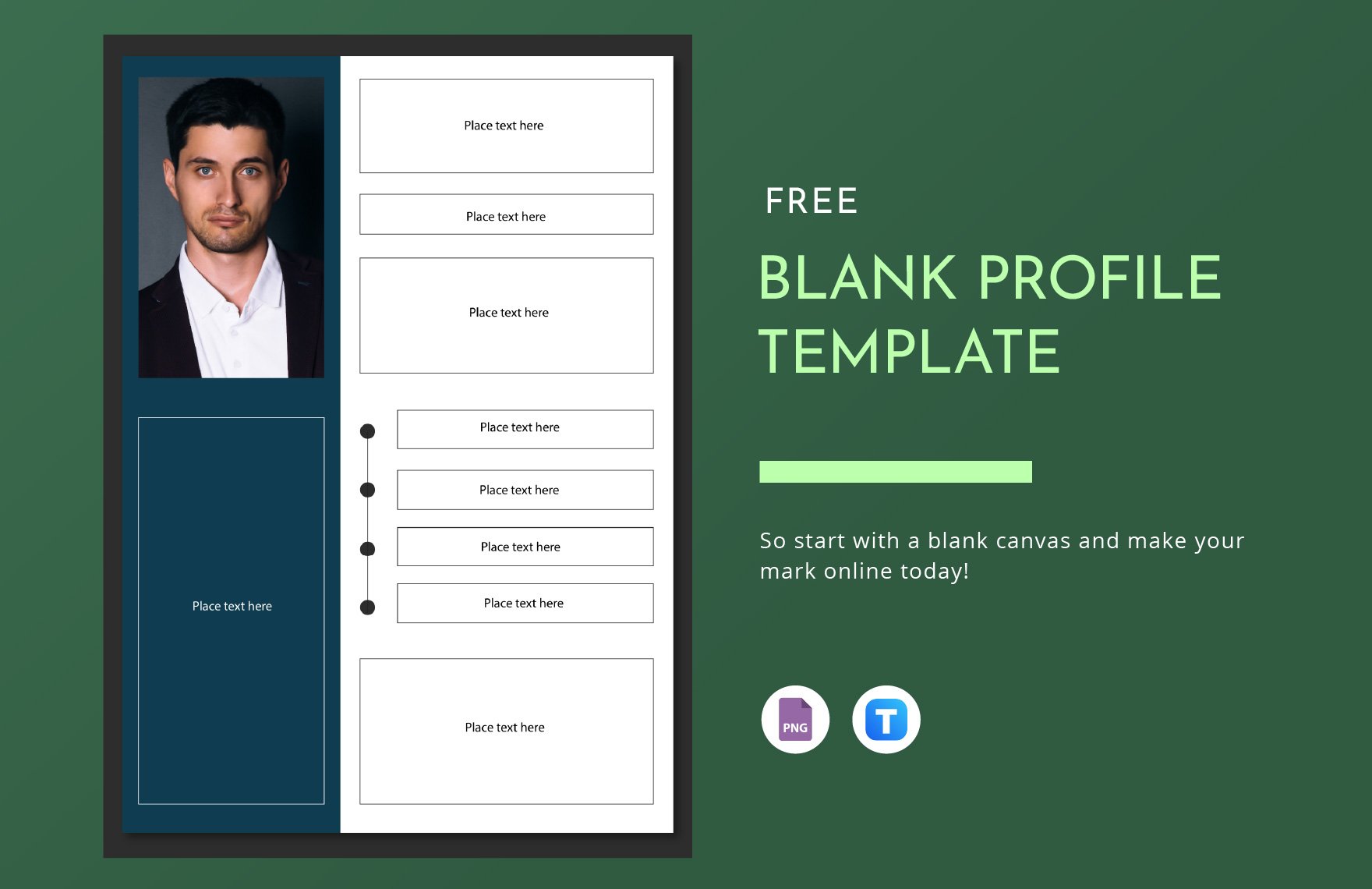
Editable Business Profile Template in Word Download

Free Editable Profile Templates in Word to Download

Free Creative One Page Profile Template to Edit Online

Free Teacher Profile Template to Edit Online

Free Creative One Page Profile Template to Edit Online

Free Family Profile Template to Edit Online
Only In ~/.Profile Do I Create The Paths Entries Which Are Duplicated.
You Can Add It To The File.profile Or Your Login Shell Profile File (Located In Your Home Directory).
What About Appending Lines To Profile.local?
It Is Factually Incorrect To Say .Bashrc Runs On Every Interactive Shell Launch.
Related Post: