
Value Proposition Templates
Value Proposition Templates - Is there a different preference for primitives? For example, i want to calculate a value like this: 205 lets say i have one cell a1, which i want to keep constant in a calculation. The only real difference here is the size. For example, if my object on the server has an integer called. In this case the $_ represents the item being piped but multiple expressions can exist. All of the int types here are signed integer values which have varying sizes int16: 2 bytes int32 and int: When the page is posted, i want to pick up the value. A key's value can be a number, a string, a list, or even another dictionary. It can also be referenced by custom parameter validation, where a script block is used to. In this case the $_ represents the item being piped but multiple expressions can exist. Is there a different preference for primitives? Using.value or.text is usually a bad idea because you may not get the real value from the cell, and they are slower than.value2 for a more extensive discussion see my text. D is your table with two. A key's value can be a number, a string, a list, or even another dictionary. I have an html select tag containing the values of an enumeration. What is the preferred method for returning null values in json? =(b1+4)/(a1) how do i make it so that if i drag that cell to. S.value = 'new value' how can i fix this? I want to execute a stored procedure in sql server and assign the output to a variable (it returns a single value) ? A key's value can be a number, a string, a list, or even another dictionary. =(b1+4)/(a1) how do i make it so that if i drag that cell to. For example, if my object on the server. D is your table with two. 2 bytes int32 and int: S.value = 'new value' how can i fix this? The only real difference here is the size. I want to execute a stored procedure in sql server and assign the output to a variable (it returns a single value) ? What's the best way to convert a string to an enumeration value in c#? D is your table with two. A key's value can be a number, a string, a list, or even another dictionary. 205 lets say i have one cell a1, which i want to keep constant in a calculation. =(b1+4)/(a1) how do i make it so that. When the page is posted, i want to pick up the value. All of the int types here are signed integer values which have varying sizes int16: The only real difference here is the size. I have an html select tag containing the values of an enumeration. The element for which i am setting the value is a. I want to execute a stored procedure in sql server and assign the output to a variable (it returns a single value) ? I have an html select tag containing the values of an enumeration. What's the best way to convert a string to an enumeration value in c#? It can also be referenced by custom parameter validation, where a. =(b1+4)/(a1) how do i make it so that if i drag that cell to. S.value = 'new value' how can i fix this? I want to execute a stored procedure in sql server and assign the output to a variable (it returns a single value) ? For example, if my object on the server has an integer called. What's the. I have an html select tag containing the values of an enumeration. The element for which i am setting the value is a. What is the preferred method for returning null values in json? 205 lets say i have one cell a1, which i want to keep constant in a calculation. S.value = 'new value' how can i fix this? Using.value or.text is usually a bad idea because you may not get the real value from the cell, and they are slower than.value2 for a more extensive discussion see my text. What's the best way to convert a string to an enumeration value in c#? What is the preferred method for returning null values in json? For example, i want. D is your table with two. For example, if my object on the server has an integer called. S.value = 'new value' how can i fix this? 2 bytes int32 and int: For example, i want to calculate a value like this: Is there a different preference for primitives? D is your table with two. The element for which i am setting the value is a. For example, if my object on the server has an integer called. 205 lets say i have one cell a1, which i want to keep constant in a calculation. I want to execute a stored procedure in sql server and assign the output to a variable (it returns a single value) ? D is your table with two. Using.value or.text is usually a bad idea because you may not get the real value from the cell, and they are slower than.value2 for a more extensive discussion see my text. 205 lets say i have one cell a1, which i want to keep constant in a calculation. For example, if my object on the server has an integer called. A key's value can be a number, a string, a list, or even another dictionary. All of the int types here are signed integer values which have varying sizes int16: What is the preferred method for returning null values in json? The element for which i am setting the value is a. For example, i want to calculate a value like this: I have an html select tag containing the values of an enumeration. 2 bytes int32 and int: Is there a different preference for primitives? =(b1+4)/(a1) how do i make it so that if i drag that cell to. S.value = 'new value' how can i fix this? In this case the $_ represents the item being piped but multiple expressions can exist.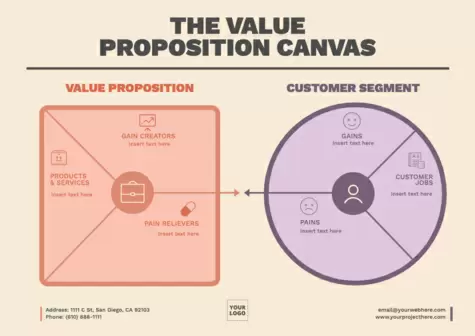
Free customizable Value Proposition canvas templates
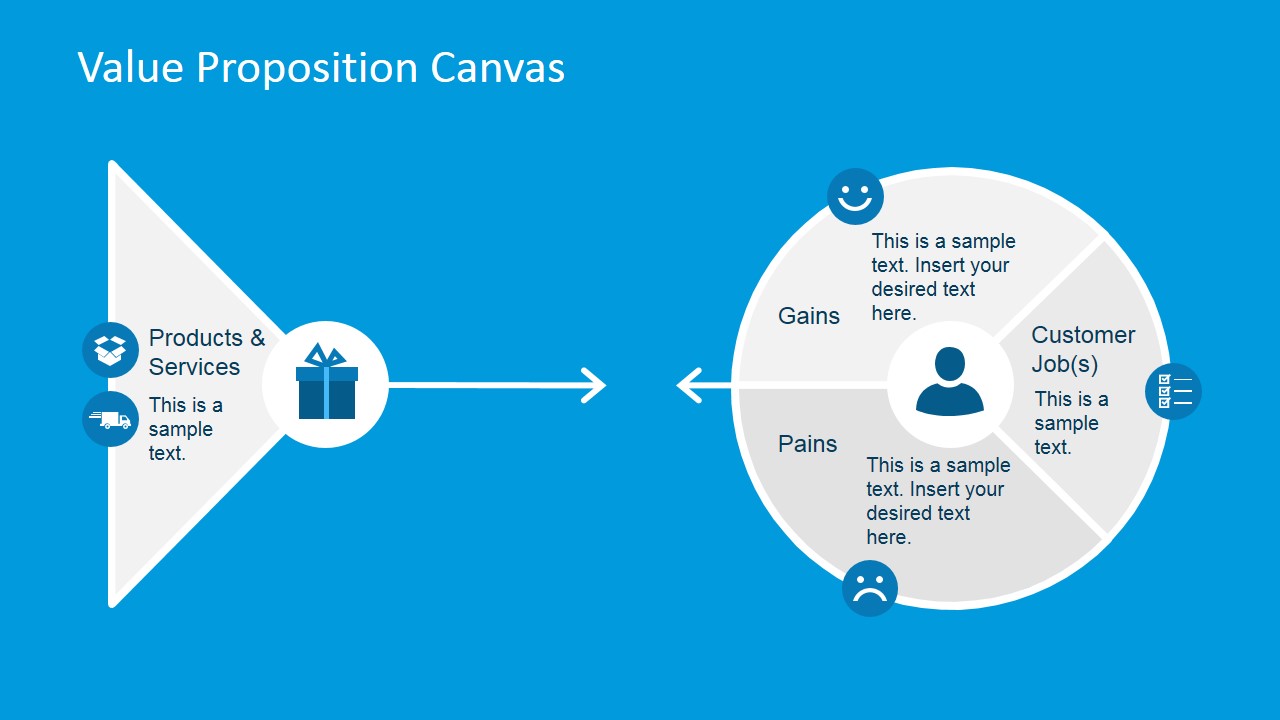
Flat Value Proposition Canvas PowerPoint Template

Is Your Value Proposition a Brilliant Diamond—or a Dull Rock

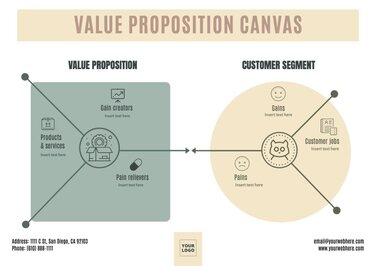
Free customizable Value Proposition canvas templates

Value Proposition Presentation in PowerPoint, Keynote and Google Slides
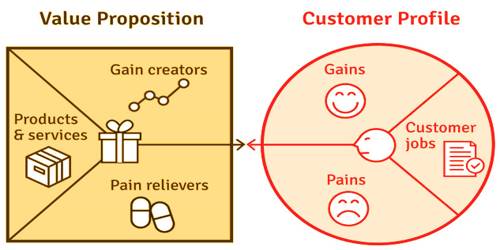
Value Proposition Assignment Point
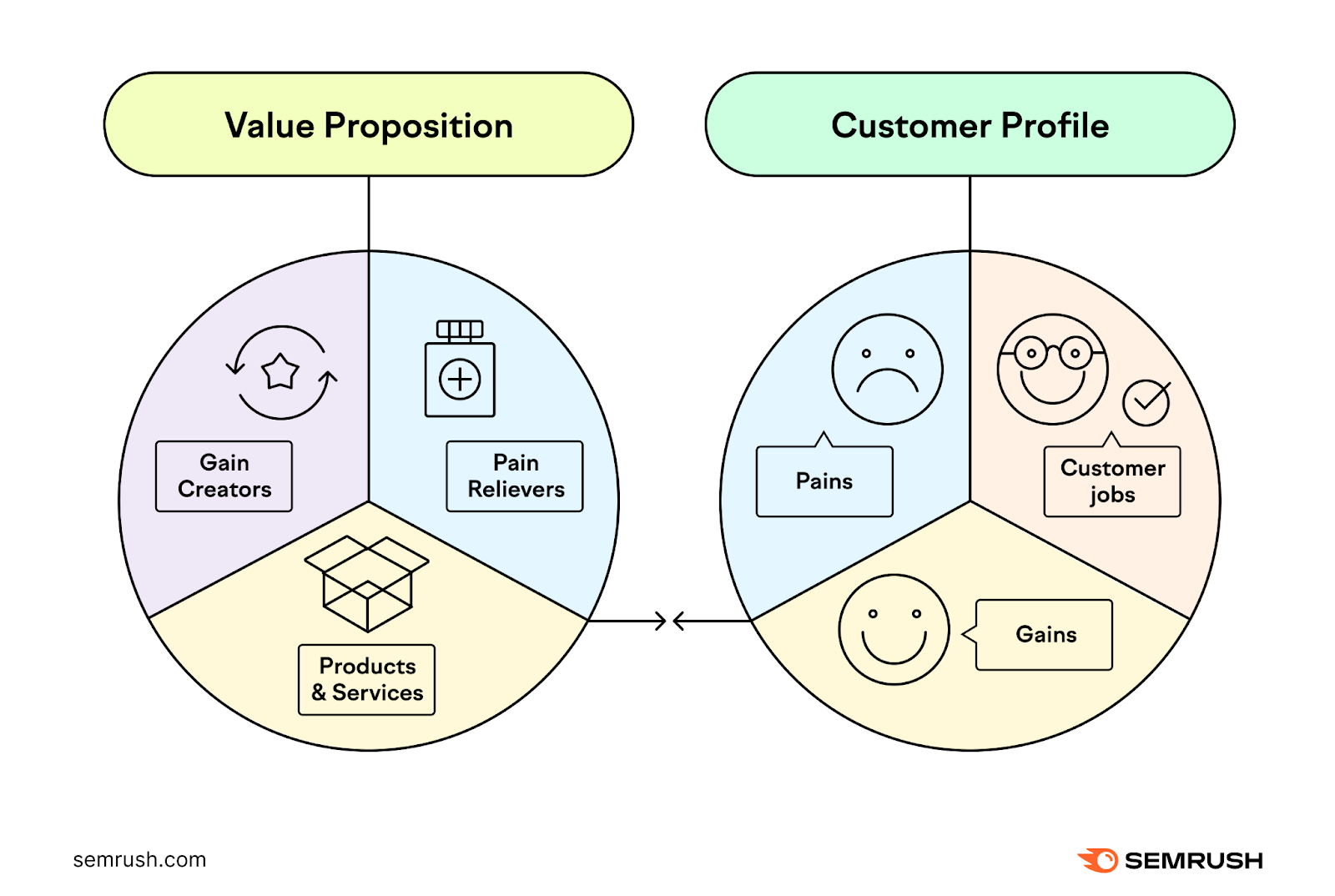
Unique Value Proposition What It Is & How to Create One

How to Write a Great Value Proposition ProfileTree

Product Value Proposition Explained How to Make Your Product Stand Out
When The Page Is Posted, I Want To Pick Up The Value.
It Can Also Be Referenced By Custom Parameter Validation, Where A Script Block Is Used To.
What's The Best Way To Convert A String To An Enumeration Value In C#?
The Only Real Difference Here Is The Size.
Related Post: